❋
ARTE - FACTUM : UN - INSTITUTIONALIZED
item no : af - 01UN - INSTITUTIONALIZED / LIVING RELIC
A unified body of work by Yashana Malhotra was intentionally divided. The core - the dress. The severed limb - a sleeve.
The dress was subsequently claimed by a museum into their living collection, it is now an object of record : classified, archived, and removed from the world of touch - achieving the status of “factum”.
The sleeve was removed from body in the final moments of creation. It remains with Malhotra : un - institutionalized, retaining its “mana” - its physical potential : still able to be touched, worn, manipulated, serve.
This project poses a fundamental question : What creates value? Institute or art?
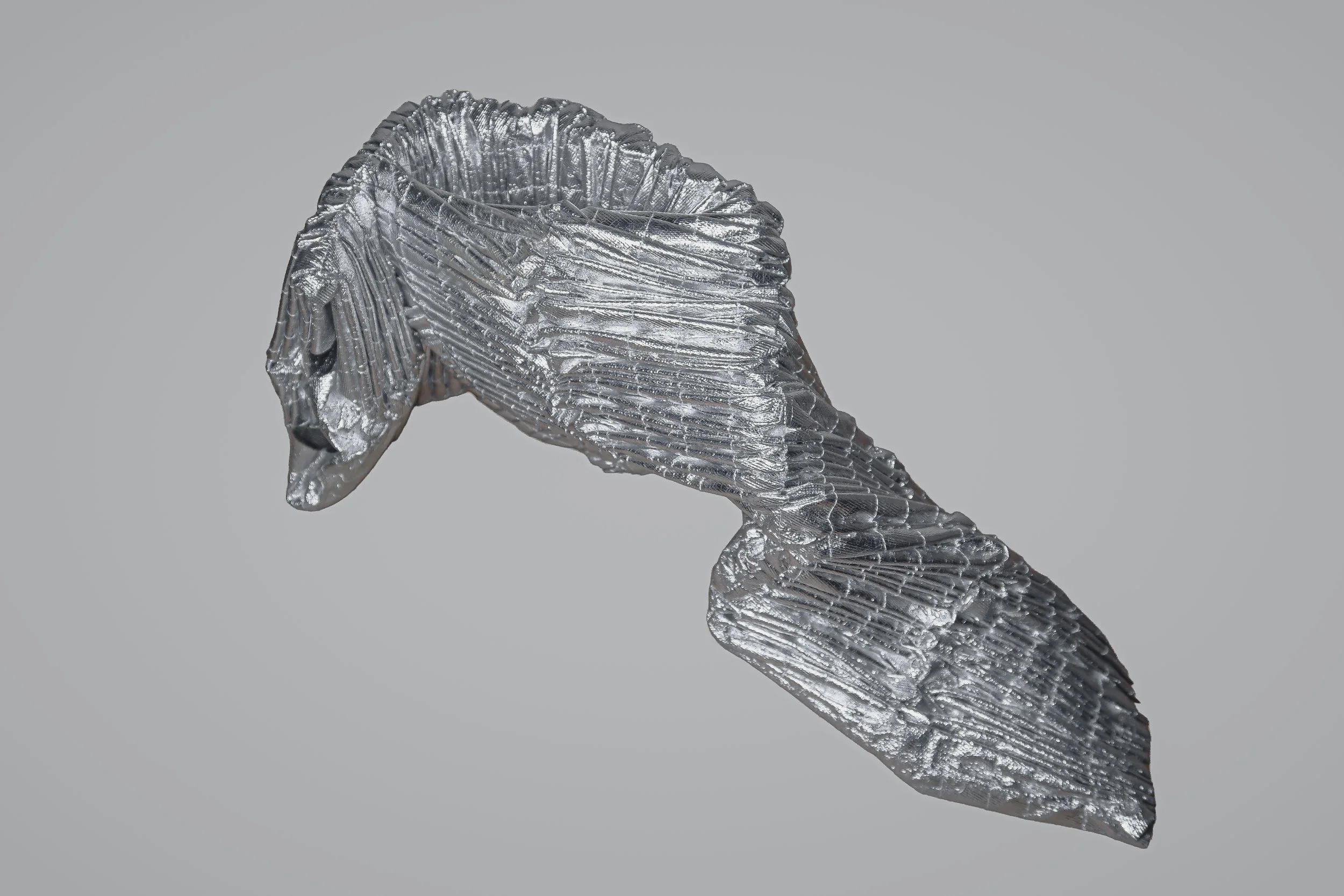
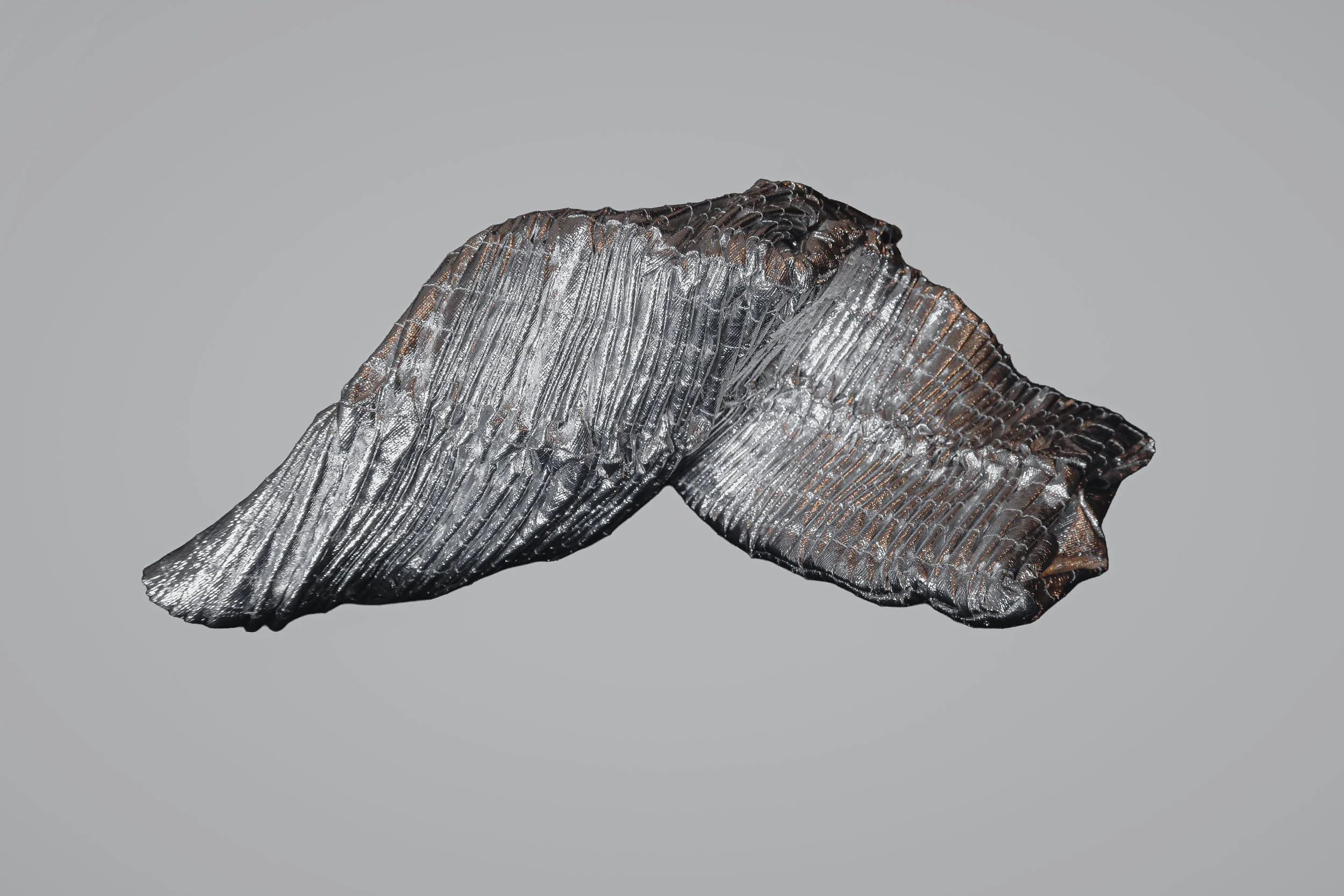
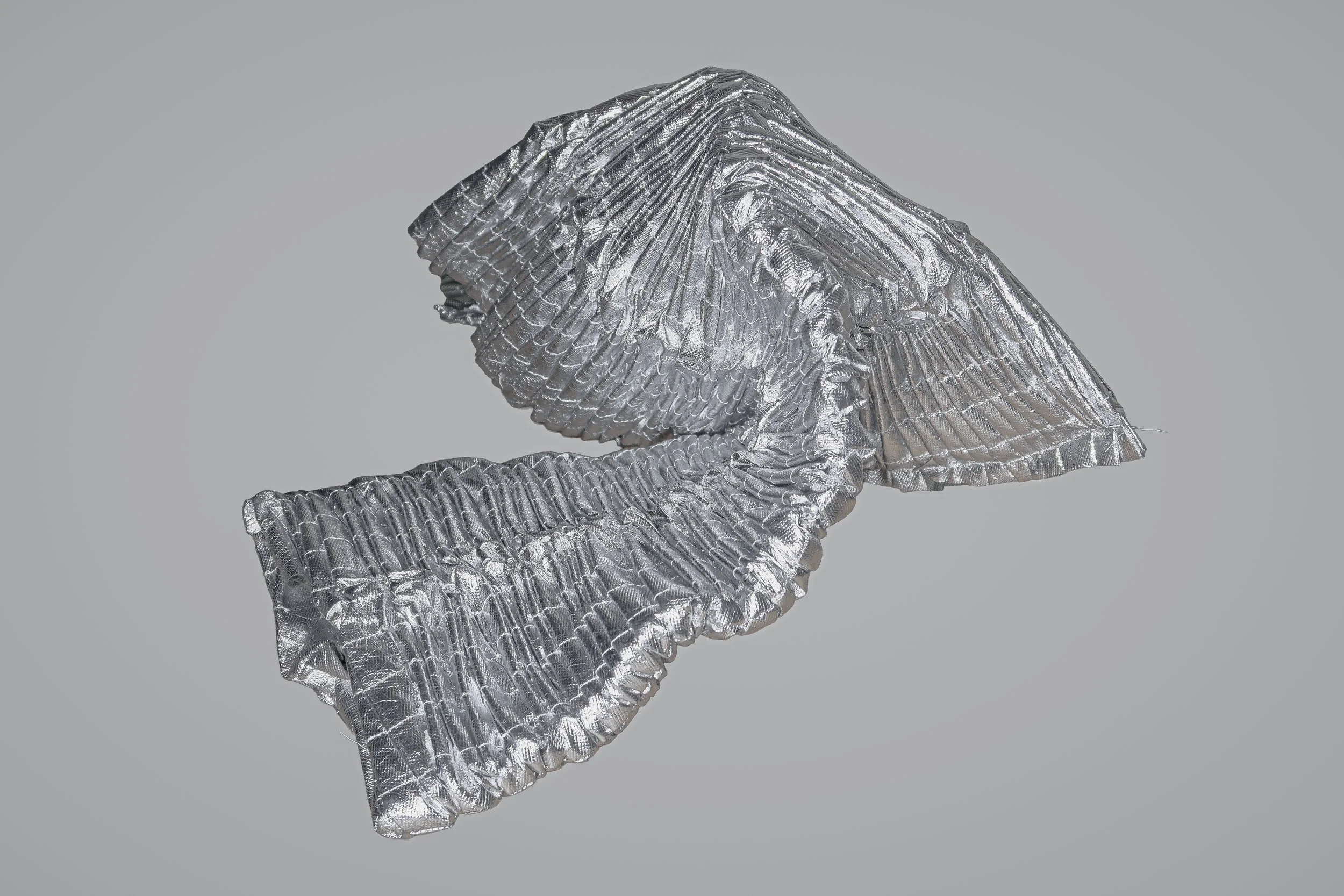
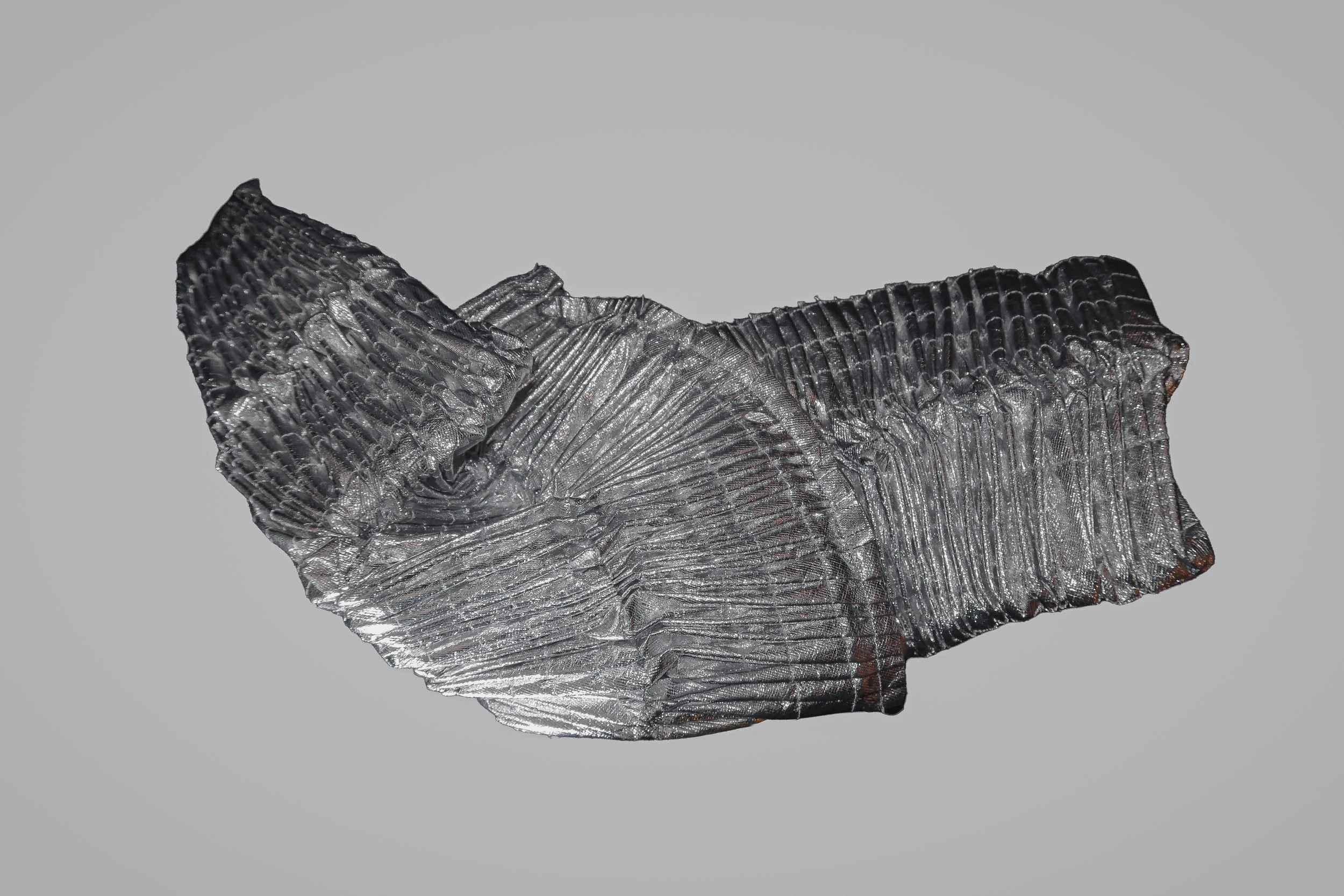
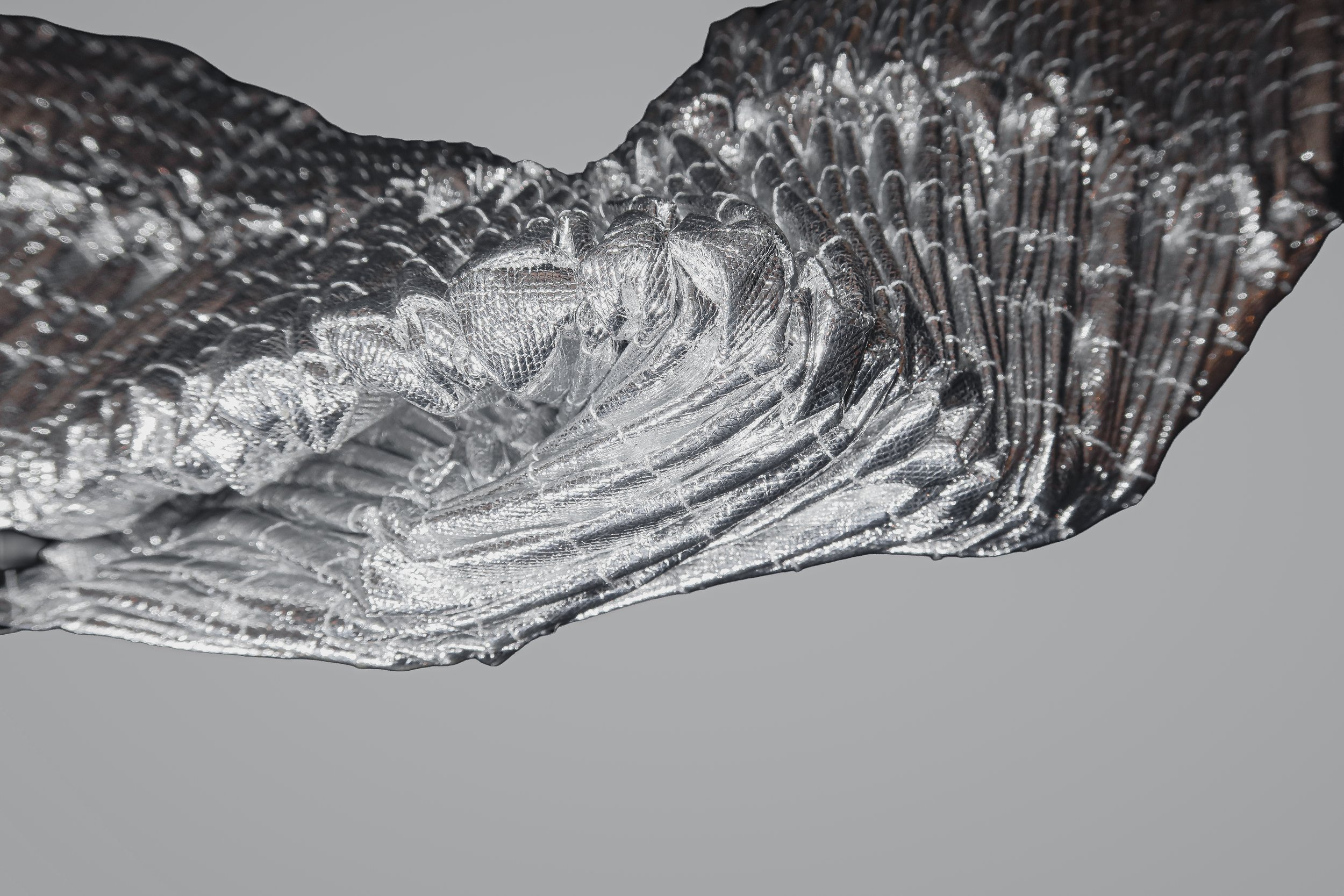
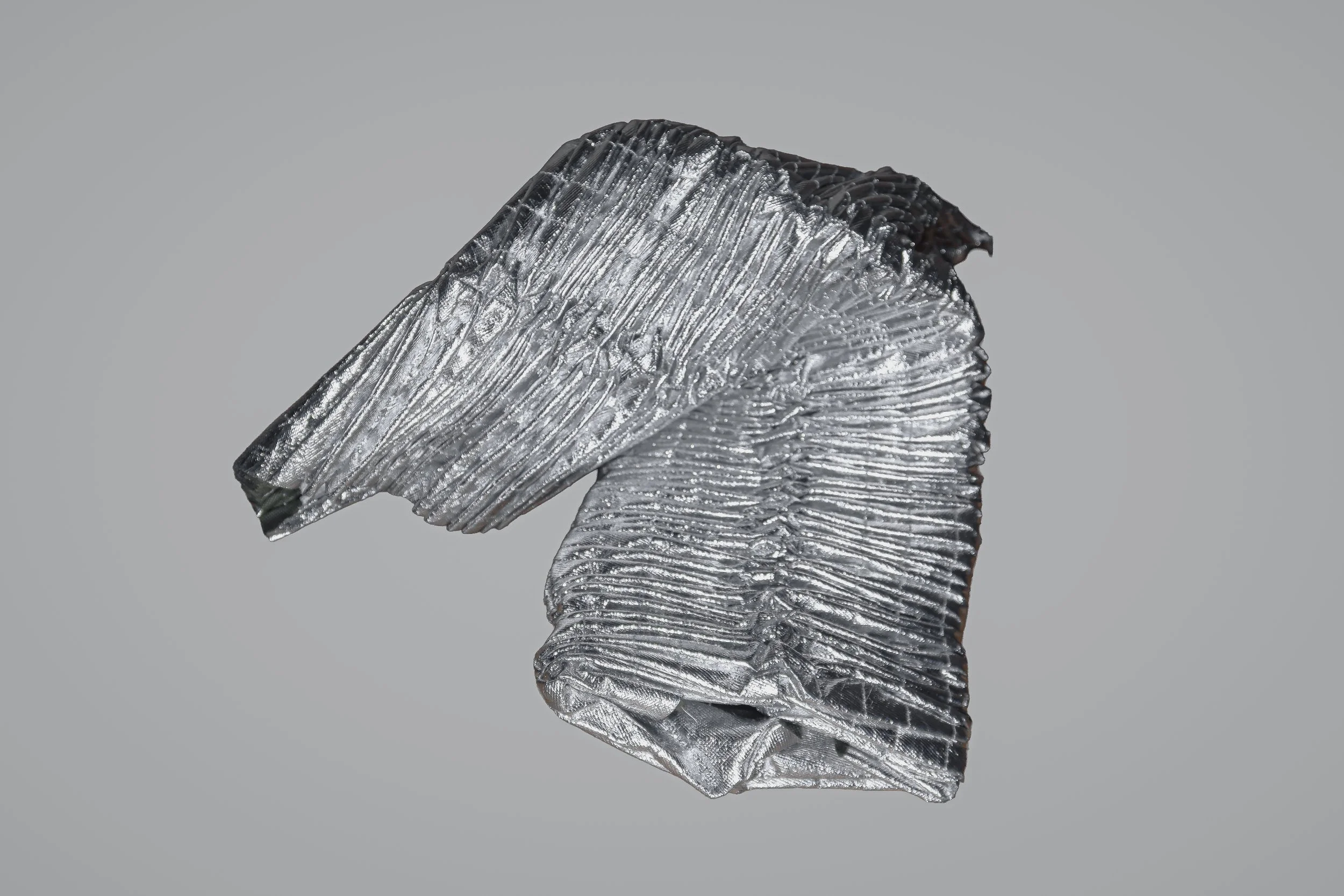
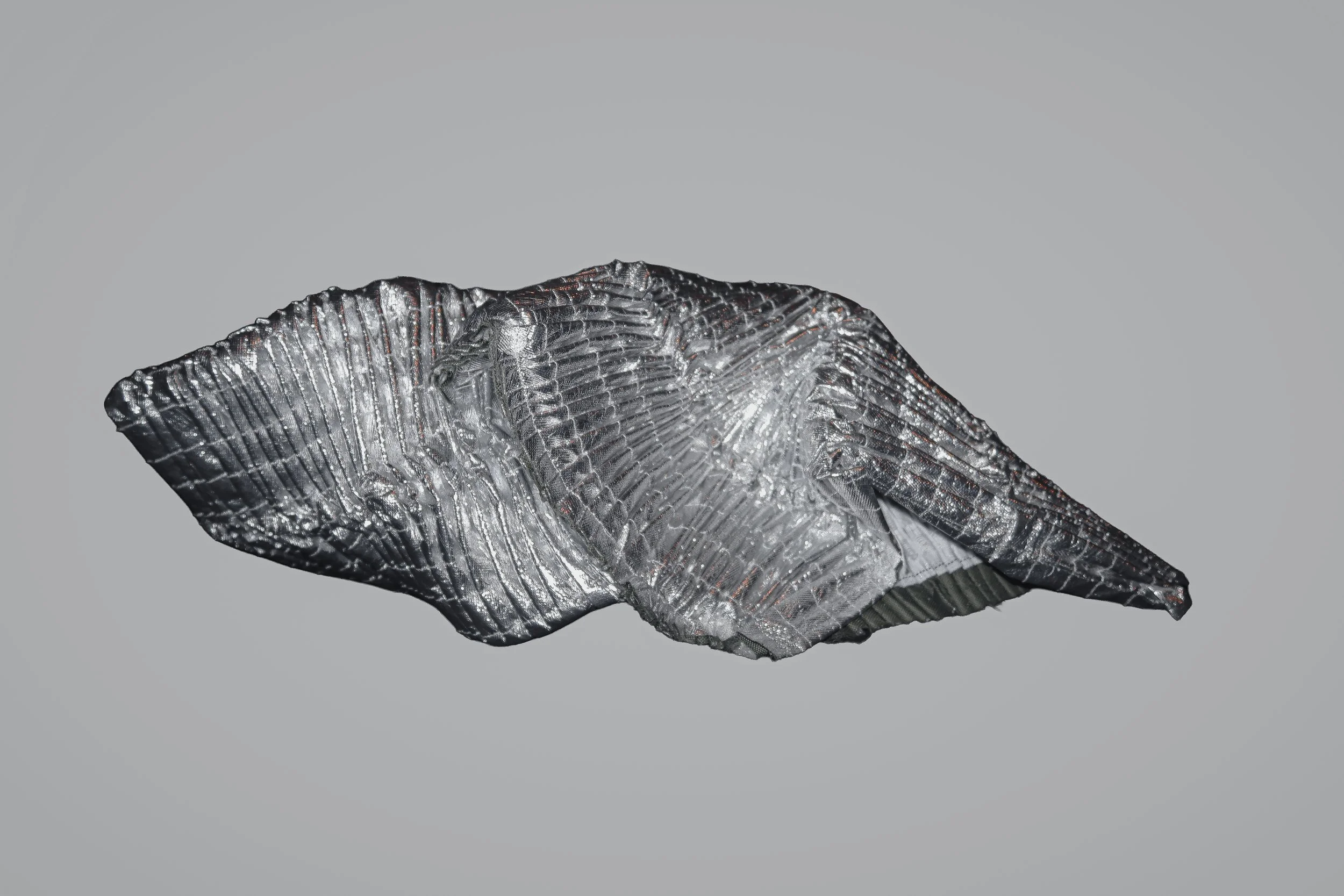
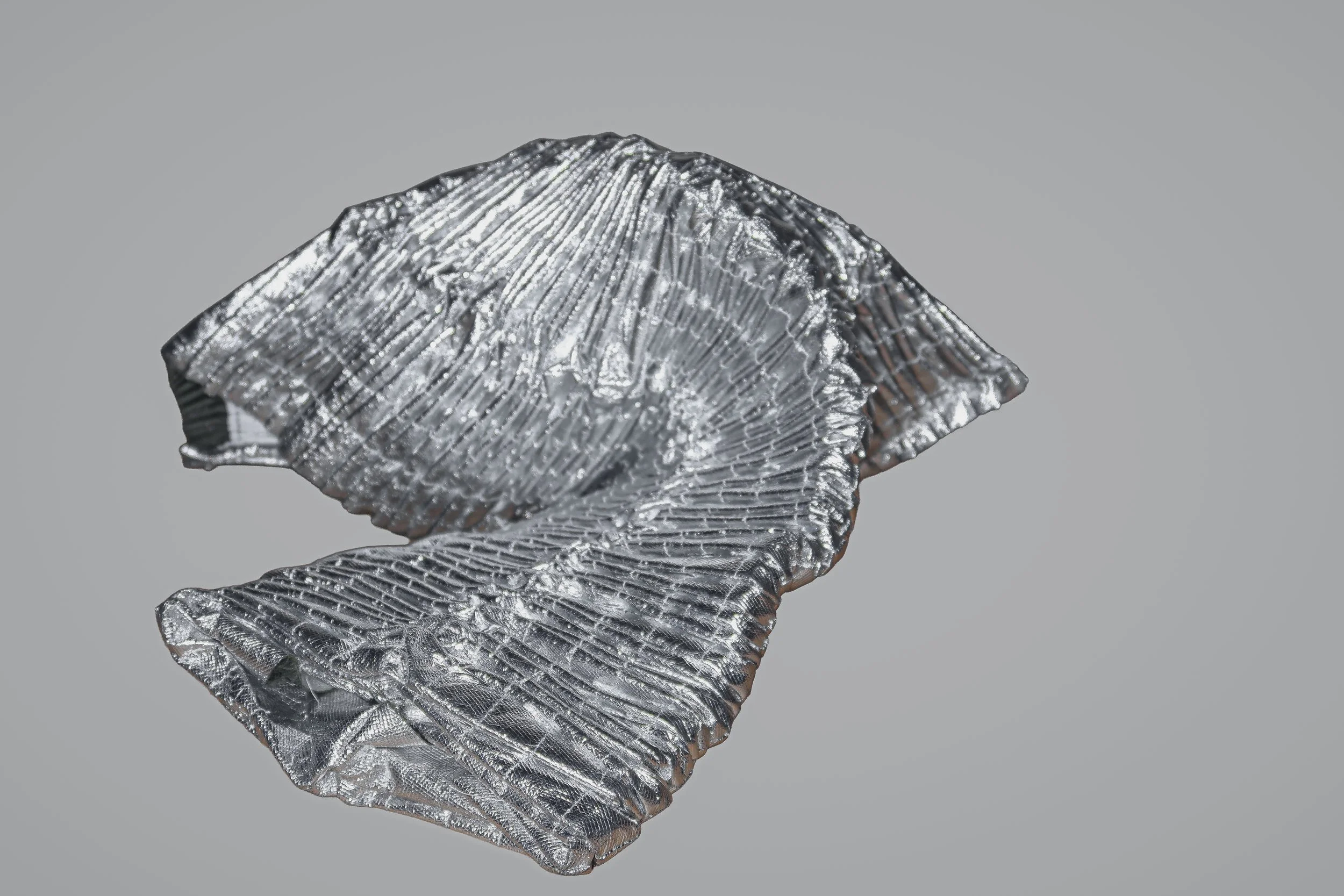
❋ the second skin Arte - factum explores the defensive biology and structural compression. The human limb is reimagined as a site of extreme density, by collapsing three linear metres of material into a singular, kinetic sleeve, the fabric is forced into a state of structural rigidity.
❋ techno - medievalismBy forced folding vast textile into a singular limb, we witness material collapse, it behaves less like fabric and more like stone. Now made, a lithic surface covers the arm. A fossilised gesture, representing need to shield softest parts of our anatomy with the hardest parts of labour.
❋ anatomical extension It invokes the concept of the hoplite or the exoskeleton - a shell that exists only through the tension of its own construction. The sleeves act as a reservoir, holding the vastness of its original form.
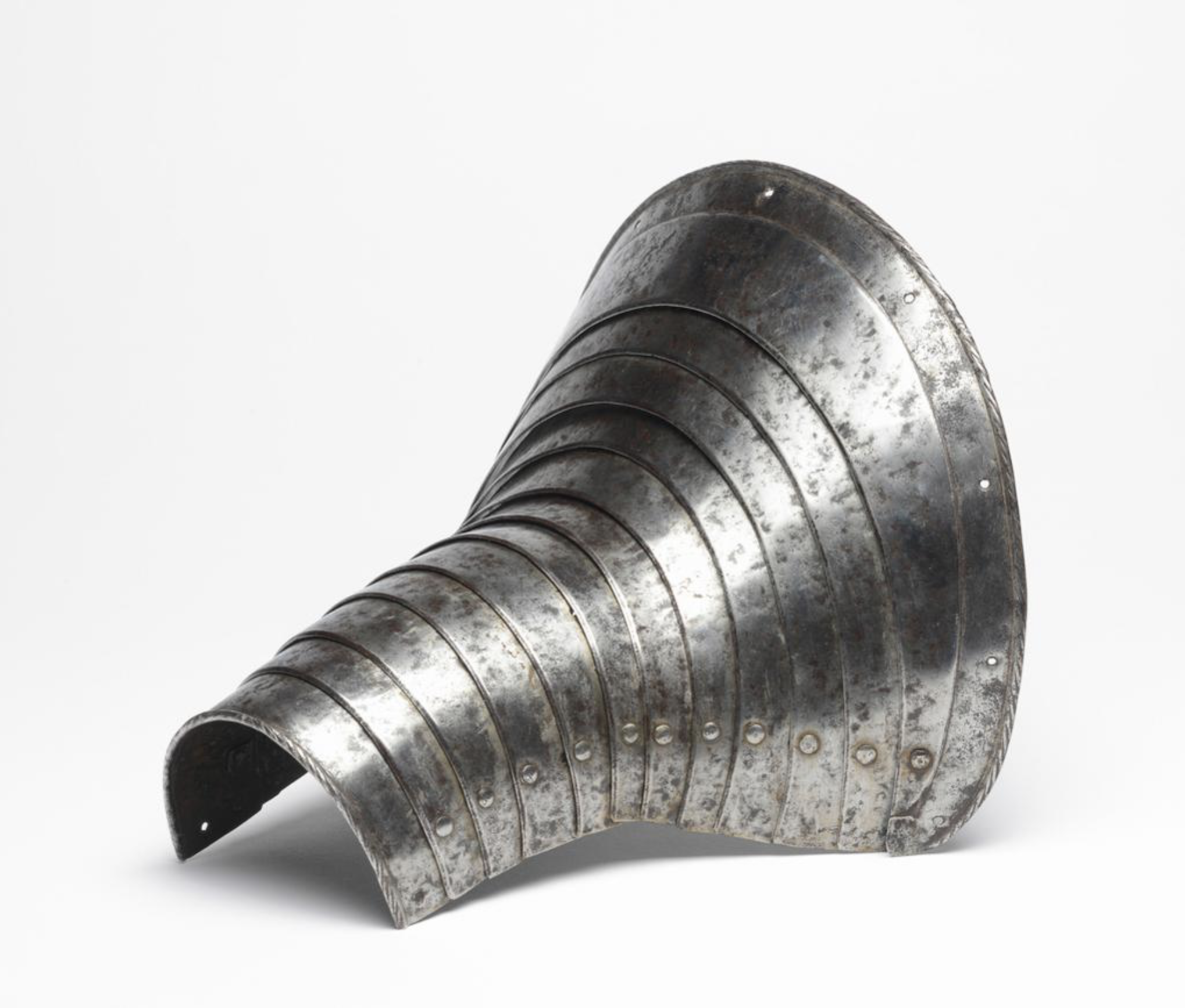
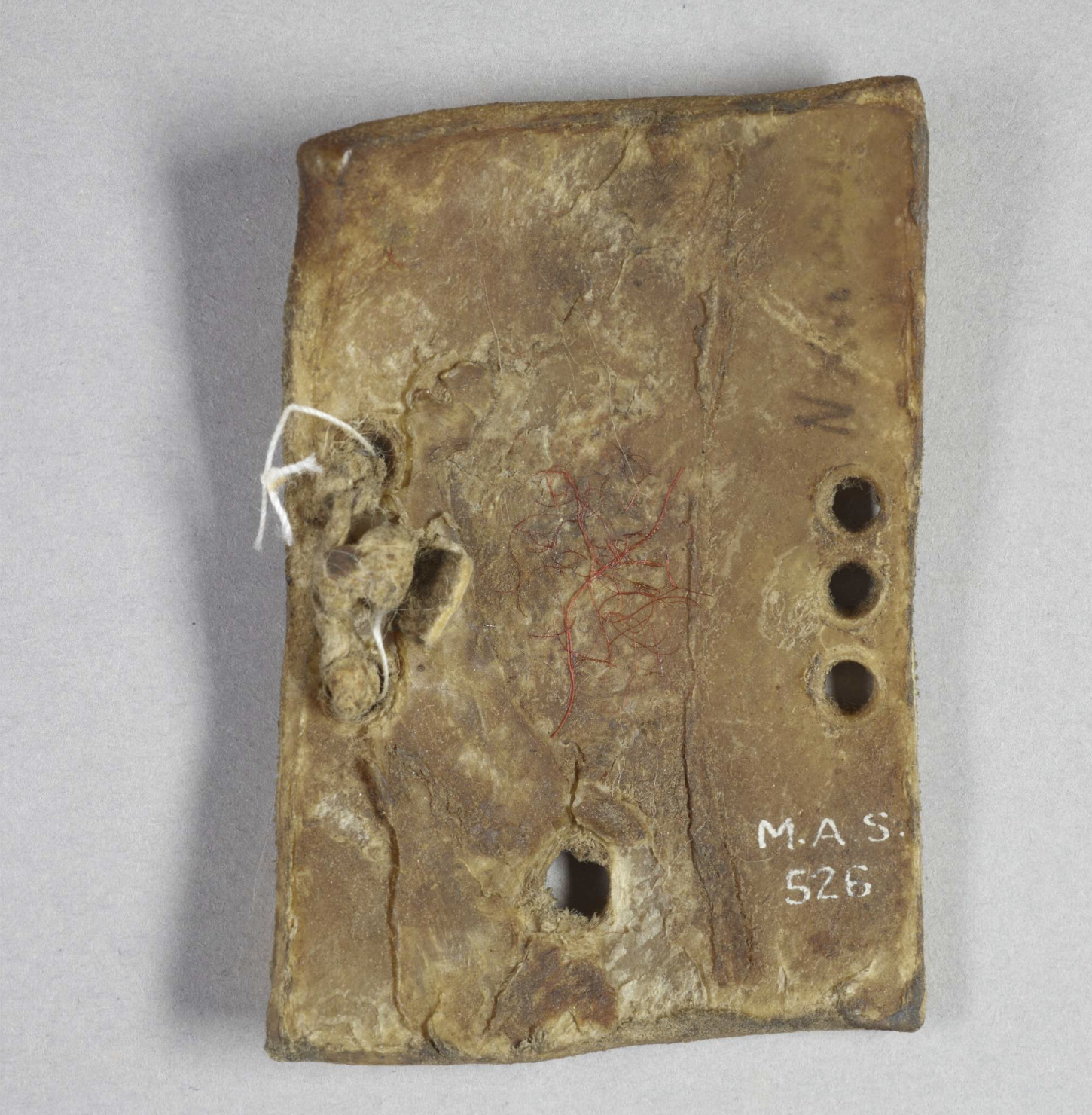
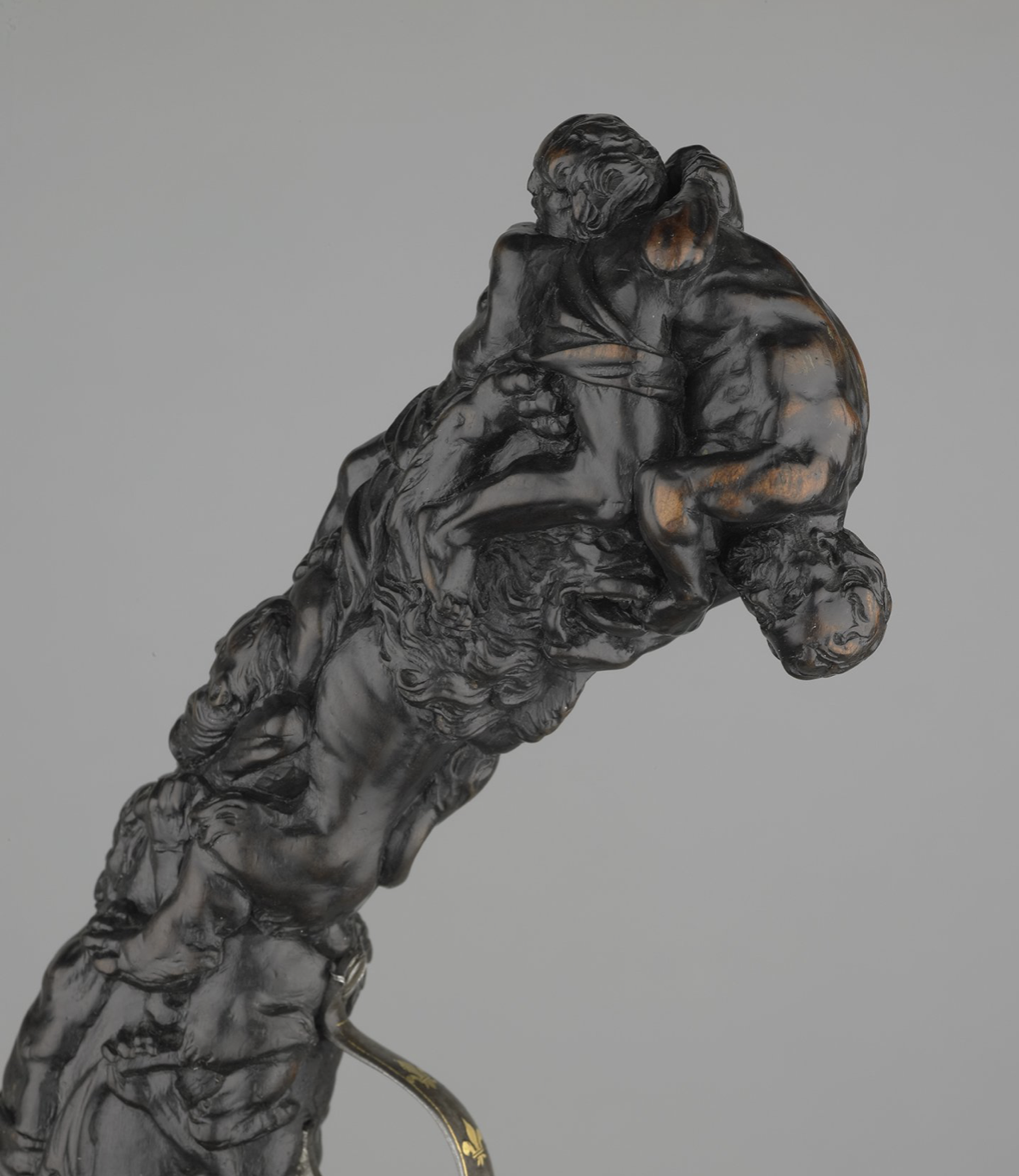
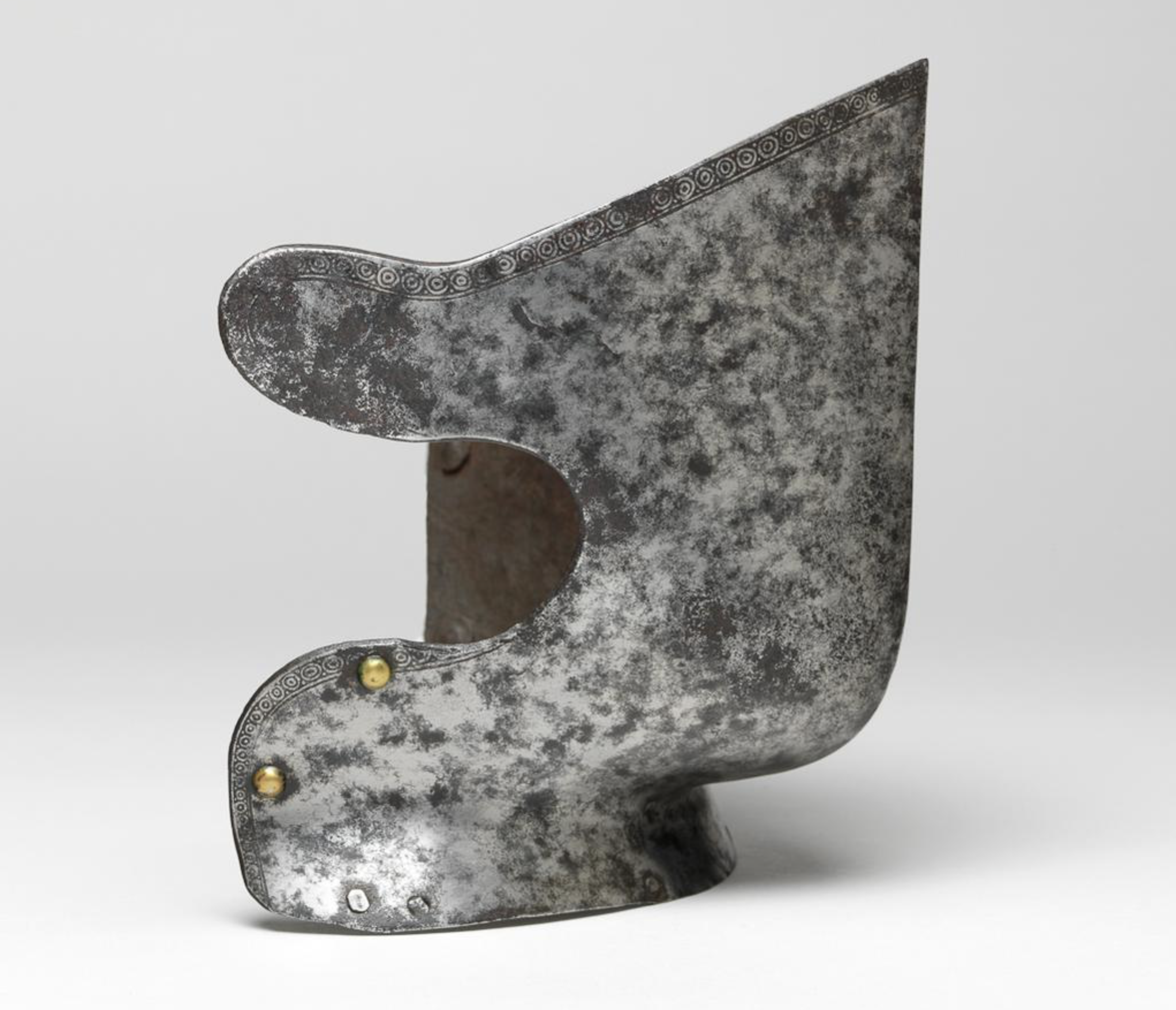
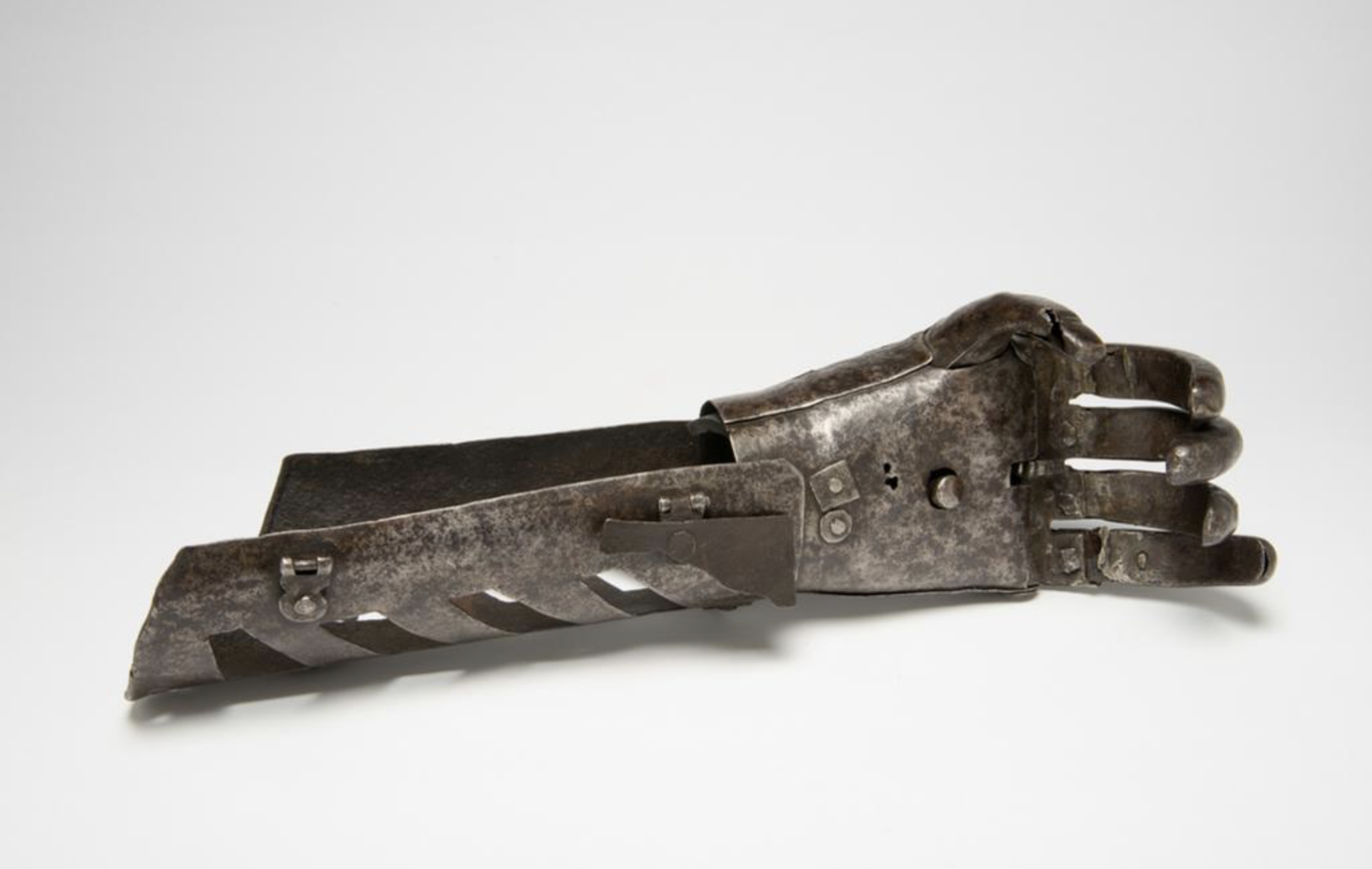
Bibliography of images used in this project (above) that are not a property of Yashana Malhotra - have exclusively been collected from online museum archives to reflect exchange of value.
THE FITZWILLIAM MUSEUMM.9-1945: Armour. Defence for the left foreleg of a horse, for heavy cavalry use. / Reinforcing bevor, for use in the tourney, with etched decoration.
the british museum Single scale of armour made of leather. 8thC - 9thC
the wallace collection Flint lock pistol c. 1660 / A Field Armour in the Maximilian Style, South German, c. 1515-25. A24